Get in Touch

Invoice Factoring Software for Receivables Finance Teams

timveroOS launches recourse, non-recourse, and selective invoice factoring on a Building Platform: borrowing-base math, dilution tracking, and lockbox reconciliation modeled as building blocks instead of custom code.

Specialty lenders, factors, NBFIs, and Tier 3-4 banks go live in 2 to 6 weeks, in their own environment, with code-level control over every advance rate, eligibility rule, and reserve release.

Invoice factoring software by timveroOS

Request a Custom Demo

Tell us the factoring program you want to see: recourse, non-recourse, selective spot, reverse supply-chain, or your own debtor-concentration pattern. We tailor the demo bench to your exact case.

Request a Demo

Your Program. Our Bench.

  • $5.5B+ In Loans Managed
  • 13+ Regulated Markets Live
  • 5.0 ★ Verified Customer Rating
  • 2-6 wks From Signing to First Advance

Trusted by banks, factors, and specialty finance teams across 13+ regulated markets

  • AMIO Bank logo
  • Cartiga logo
  • Finom logo
  • GoGoProp logo
  • Aizdevums.lv Bank logo
  • Plumery logo
1 The Problem

Receivables Finance Doesn’t Fit Standard Loan Software

Invoice factoring runs on a data model that generic loan management software was never built to hold. Multi-debtor structures, advance rates per debtor and per invoice, reserves that flex with dilution, lockbox reconciliation against thousands of small payments daily: none of this fits a vanilla installment schema. Specialty finance units inside banks and standalone NBFIs hit the same architectural ceiling.

  • Invoice-Level Ledgers Don’t Fit the Data Model

    Generic SaaS loan platforms assume one borrower per loan. Factoring needs entity structures for sellers, multiple debtors per assignment, guarantors, and the invoices themselves, each with its own aging, dispute status, dilution history, and reserve allocation. Bolting this onto a standard LMS schema produces brittle workarounds that break at scale.

  • Borrowing-Base Math Hides in Spreadsheets

    Eligibility rules around aging, cross-aging, concentration limits by debtor or industry, dilution reserves, and ineligibles need to live as monitored logic inside the platform, not as Excel models reconciled after the fact. When a regulator or a committee asks why an advance was approved, “we ran a spreadsheet” is not an answer.

  • Lockbox Reconciliation Eats Operations Time

    ACH and lockbox files arrive in fragments. Payments need to match to invoices, partial pays and short pays handled cleanly, dilution from returns and credits tracked in real time, chargebacks posted to GL without manual touch. Generic LMS systems treat this as an export problem, not a native flow.

  • New Product Variants Can’t Wait on a Vendor Roadmap

    Adding selective factoring on top of an existing recourse line, supporting reverse factoring for a supply-chain program, launching a non-recourse pilot for a specific debtor concentration: these are quarterly decisions for a specialty lender, not 12-month vendor negotiations.

2 The Building Platform

Factoring as Building Blocks on the Building Platform

Invoice-level ledger, dilution tracking, advance rates, reconciliation: all as building blocks. Multi-debtor, multi-currency, multi-jurisdiction, without custom code. timveroOS models the participants, the math, and the lifecycle natively, so factoring teams compose recourse, non-recourse, or selective variants from the same architectural primitives instead of rebuilt schemas.

  • Real-Time Borrowing Base, Calculated as Policy

    Eligibility rules for invoice aging, cross-aging, debtor and industry concentration, ineligibles, and dilution reserves are authored once and evaluated continuously. Headroom against each facility updates in real time as invoices clear, advances draw, and reserves release. Overrides are governed, versioned, and logged with decision context, ready for credit committees and regulators without manual reconciliation.

  • Lockbox Reconciliation Without Exceptions

    Lockbox and ACH files are ingested automatically, payments matched to invoices, partial pays and short pays handled cleanly. Dilution from returns, discounts, and credit notes is tracked in real time. Reserve releases, chargebacks, and GL postings remain audit-ready, eliminating the spreadsheet-shaped gap between cash applied and ledger posted.


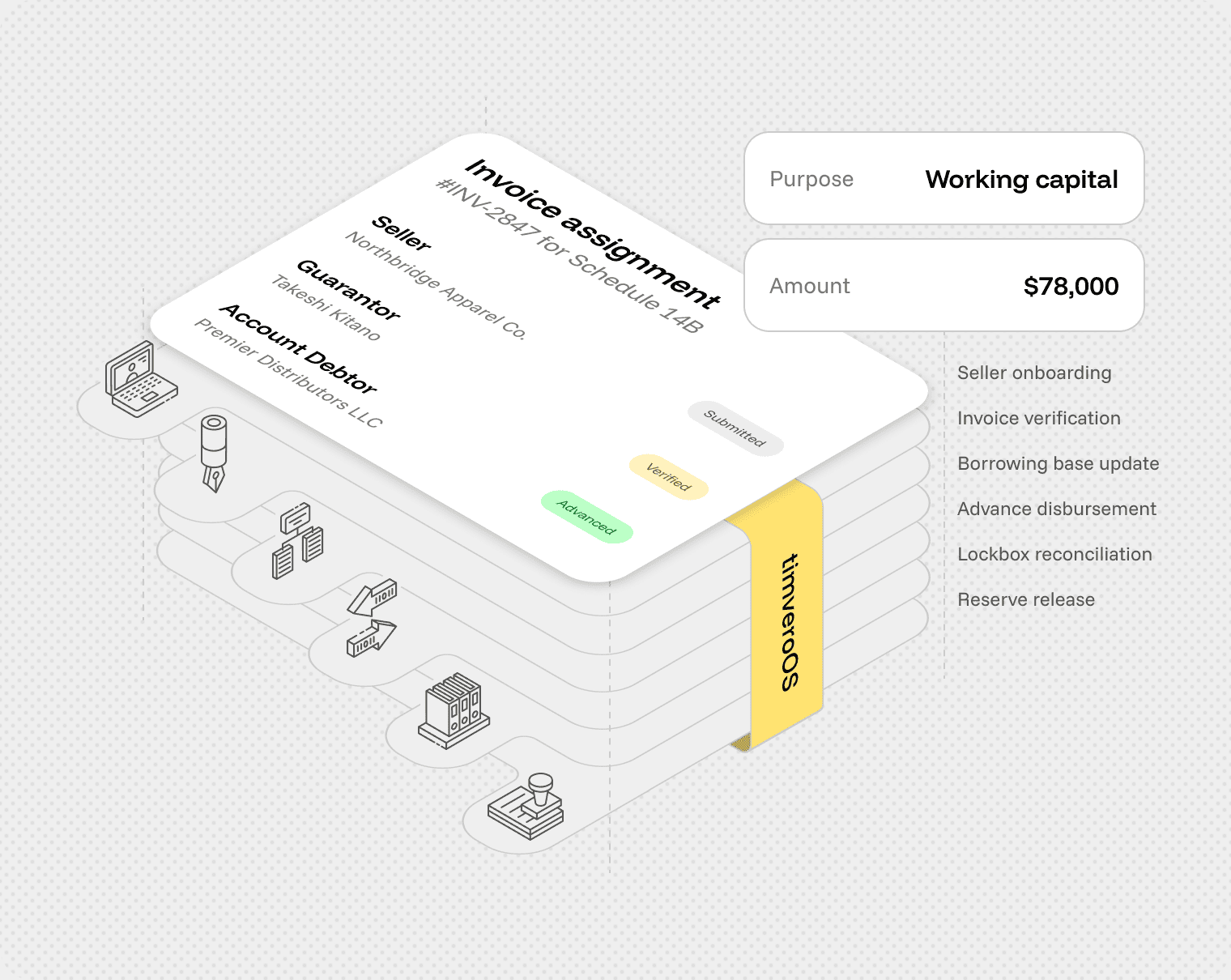
Invoice factoring software on the Building Platform: invoice assignment card layered on the timveroOS stack across seller onboarding, invoice verification, borrowing base update, advance disbursement, lockbox reconciliation, and reserve release

Multi-Participant Factoring, Modeled Natively

Sellers, debtors, guarantors, agents, collateral holders, and the invoices themselves are first-class entities on the Building Platform. NOA workflows, UCC filings, assignment documents, and debtor confirmations run as configurable flows against the entity model, not as bolt-on document modules.

timveroOS factoring entity-model diagram: seller and debtor participants with raw data, documents (Master assignment, NOA, UCC filing), feeding a deal business flow (AML & KYC, invoice verification, eligibility and dilution check, borrowing base update, advance disbursement) and product variants (recourse, non-recourse, selective, reverse)
  • Multi-Debtor Entity Model, Native

    Each participant carries its own documents, lifecycle, and scoring. Multi-currency and multi-jurisdiction operations are architectural features, not localization packages. Syndications, participations, and agent structures sit alongside the seller-debtor relationship in the same model. No separate tables, no separate schemas, no separate audit trails.

  • Compose Recourse, Non-Recourse, Selective, and Reverse Variants

    Products assemble from the same building blocks: a recourse line, a non-recourse facility for single-debtor concentration, a selective product for spot deals, a reverse-factoring program for a supply-chain client. Eligibility, advance rates, reserves, and pricing configure against the existing model. No new schema, no vendor ticket.

timveroAI

Compose Your Factoring Variant in Weeks

AI brings the speed. The Building Platform brings the trust.

timveroAI is the AI acceleration layer over the Building Platform: a controlled, RAG-grounded implementation agent built on Claude Code. It does not score debtors, decide advances, or run portfolio analytics. It composes factoring products, interpreting natural-language requirements, mapping them to atoms (Risk, Documents, Products, Offers, Servicing), and assembling building blocks into a production-ready configuration. Two engineers replace eight. Cost-to-change drops 5x.

Learn About timveroAI
  • timveroAI requirements gathering icon

    Requirements Gathering

    Natural-language dialog with your product and risk teams. timveroAI asks clarifying questions instead of guessing the eligibility, advance, or reserve logic.

  • timveroAI architecture checkpoint icon

    Architecture Checkpoint

    A plan with atoms, flows, and components, surfaced for your team to approve before any code generation runs.

  • timveroAI composition icon

    Composition

    Code generation that uses the Building Platform’s native components and patterns, RAG-grounded on actual source and your atom library. No invented APIs, no hallucinated imports.

  • timveroAI testing and validation icon

    Testing and Documentation

    Automated tests run against the original requirements. Documentation updates automatically as the factoring variant ships.

4 Advanced Analytics

Flag Dilution Risk Before It Hits the Reserve

Factoring loses money to dilution: invoices partially paid, returned, or credited after they have been advanced against. The Advanced Analytics layer on timveroOS (distinct from timveroAI) is the XAI scoring engine that powers in-flight decisioning across the platform, configured for receivables finance. Every score is explainable, every decision logged, every model trained on data that stays in your environment.

  • Explainable Debtor Risk Scoring

    Models trained in your environment on your portfolio, flagging concentration creep and credit deterioration before exposure becomes loss. Features, weights, and decision paths surface to the credit committee, not just the final score.

  • DSO and Dilution Forecasts

    Payment-timing predictions and dilution curves per debtor and per industry segment, feeding into headroom calculations and reserve policy.

  • Invoice and Credit-Note Anomaly Detection

    Duplicate-invoice flags, forged documents, and suspicious credit-note patterns identified at submission, before assignment.

  • Collection Strategy Optimization

    Channel and timing recommendations per debtor profile, optimizing recovery without eroding the commercial relationship.

Explore the Advanced Analytics Layer
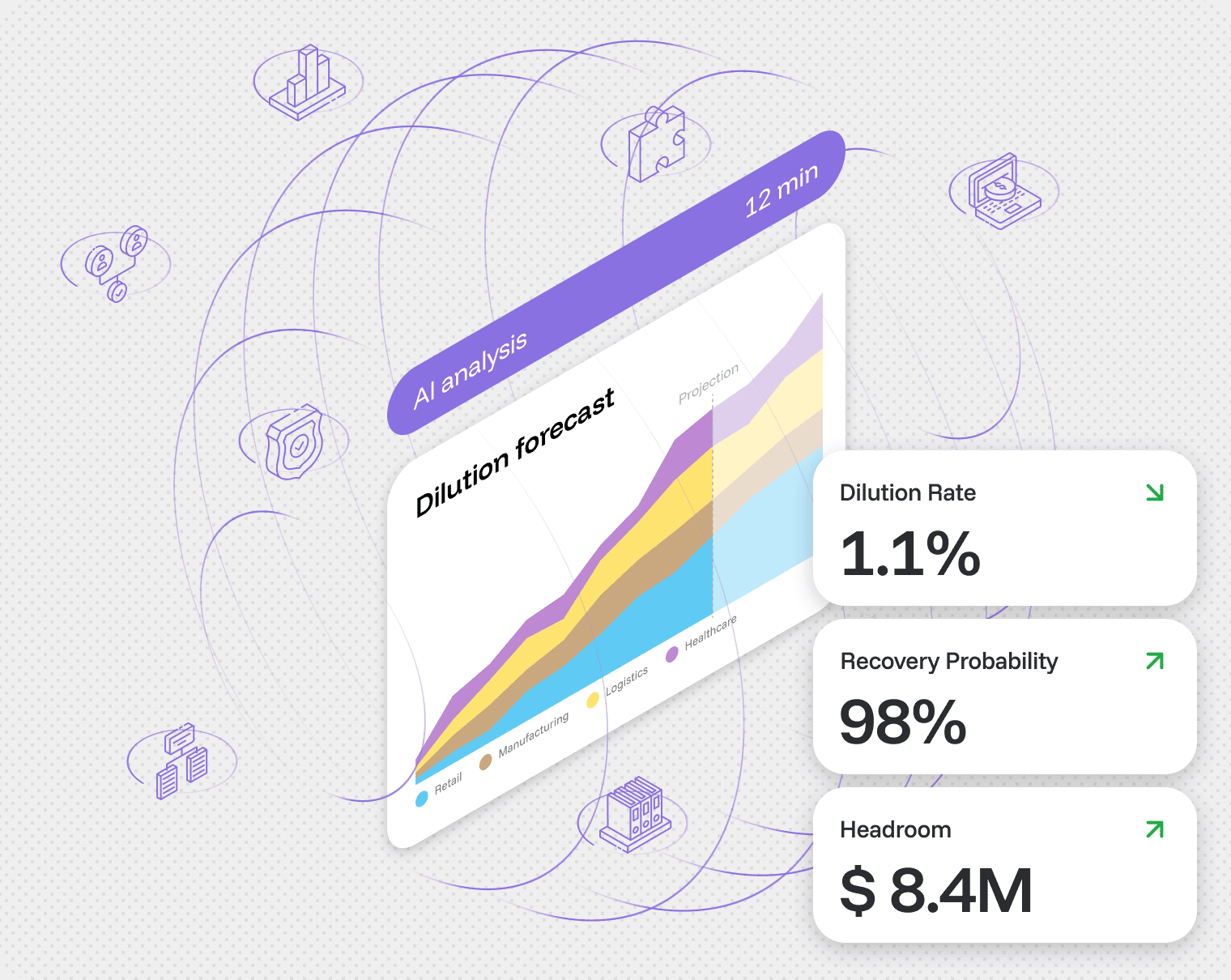
Advanced Analytics for invoice factoring software: AI-driven dilution forecast by industry segment with live dilution rate, recovery probability, and headroom KPIs in timveroOS
5 Two Profiles

Built for Receivables Finance Teams

Whether you run factoring as a standalone specialty NBFI or as a portfolio inside a Tier 3-4 bank, the architecture problem is the same: invoice-level ledgers, dilution math, and lockbox flows that no generic LMS holds cleanly. The Building Platform answers it once, in your environment, at the code level.

Specialty Finance

Factors, NBFIs, and B2B marketplaces with embedded factoring

Generic SaaS LMS platforms were not built for invoice-level ledgers, dilution tracking, or advance-rate logic. Selective programs, supply-chain reverse factoring, and multi-debtor concentrations live outside their schemas. The Building Platform handles invoice ledgers, dilution, and advance rates natively, multi-debtor and multi-currency, without custom code.

Banks With Factoring Portfolios

Tier 3-4 banks with specialty finance units

Your specialty finance unit’s factoring product runs on workarounds inside the bank’s core LMS, and the audit trail lives in three places. The Building Platform deploys in your own environment, with code-level access to every eligibility rule and reserve calculation. No multi-tenant commingling, no vendor-roadmap dependency.

6 Customer Story

Working Capital Built on a Building Platform: Cartiga

Cartiga is not an invoice factor, but their architecture problem is the receivables finance problem: working capital secured by legal cases, with bespoke repayment schedules and a balloon principal repayment without a rigid date. No SaaS LMS template fits that. Salesforce, their starting point, couldn’t support the end-to-end automation within time or budget.

90% Cost Reduction vs the Comparable Salesforce Budget
10x Faster Delivery Than the Replaced Platform

From a Salesforce Workaround to a Building Platform in Months

“timveroOS has become the core engine behind our law firm lending business. Its framework allowed us to build sophisticated workflows, pricing, and collateral logic per our bespoke structures, something no SaaS or traditional LMS could offer.”

Noah Cutler

Senior Vice President, Cartiga

Read the Cartiga Case Study
7 Differentiators

Why Receivables Finance Teams Pick timveroOS

  • Policies as Code, Not Policies in Vendor Config

    Eligibility, advance rates, concentration limits, and dilution reserves are versioned code in your environment, not vendor configuration screens. Audit trails come for free, and a regulator change ships as a commit, not a vendor ticket.

  • Multi-Participant Entity Model, Native

    Sellers, debtors, guarantors, agents, invoices, and reserves are first-class entities, not extensions of a generic loan record. Multi-debtor structures and syndications work without spreadsheet workarounds.

  • Self-Hosted or Private Cloud Deployment

    The Building Platform runs in your environment. Data does not leave it. Regulators see your stack, not a vendor’s. No multi-tenant commingling, no shared compute, no surprise residency conversations.

  • timveroAI Composition, Not Vendor Tickets

    New factoring variants ship in weeks, not in a quarterly vendor roadmap conversation. Your team owns the customization layer, and timveroAI handles 70 to 80 percent of the boilerplate.

8 The Choice

SaaS Speed, Custom Control, or the Third Path

Specialty lenders evaluating factoring software typically pick between two compromises: SaaS that ships fast but limits the schema, or custom development that gives architectural control at 12 to 18 months and millions of dollars. The Building Platform is the third path: code-level access without the build timeline.

Fast but capped

SaaS Factoring Platforms

Pros

  • Fast initial go-live (4 to 12 weeks)
  • Lower upfront cost
  • Prebuilt vanilla recourse flows

Cons

  • Vendor-defined schema; multi-debtor often a workaround
  • Borrowing-base formula opaque to audit
  • Lockbox reconciliation is a bolt-on integration
  • New product variants wait on the vendor roadmap
  • Vendor-hosted multi-tenant deployment
Control but slow

Custom Development

Pros

  • Full control of code and data model
  • Tailored integrations end to end
  • No vendor lock-in

Cons

  • 9 to 18 month delivery risk
  • High build cost plus 30 to 40 percent yearly maintenance
  • Talent and knowledge concentration risk
  • You write the borrowing-base math from scratch
9 Integrations

Your Factoring Stack, Integrated as Building Blocks

Lockbox banks, payment rails, AML/KYC providers, credit bureaus, GL and accounting systems, ERP/EDI for debtor confirmations, and seller portals connect natively to the Building Platform, implemented during deployment, owned in your code. No marketplace dependency, no per-call surcharges, no integration partner gatekeeping. Your team adds new vendors through the Open SDK; new vendors get composed by timveroAI in days, not in a vendor roadmap quarter.

  • Lockbox and Payment Rails: ACH, RTP, Wire, Lockbox File Ingestion
  • Credit Bureaus: Debtor Risk Signals and Commercial Credit Reports
  • AML and KYC: Seller Onboarding, Debtor Verification, Sanctions Screening
  • GL and Accounting: Reserve Postings, Chargeback Entries, Fee Accruals
  • ERP and EDI: Invoice Ingestion, Debtor Confirmations, Three-Way Matching
  • Fraud Signals: Invoice Anomaly Detection and Duplicate-Invoice Patterns
  • Communications and CRM: Seller Portals, Debtor Notifications, Agent Workflows
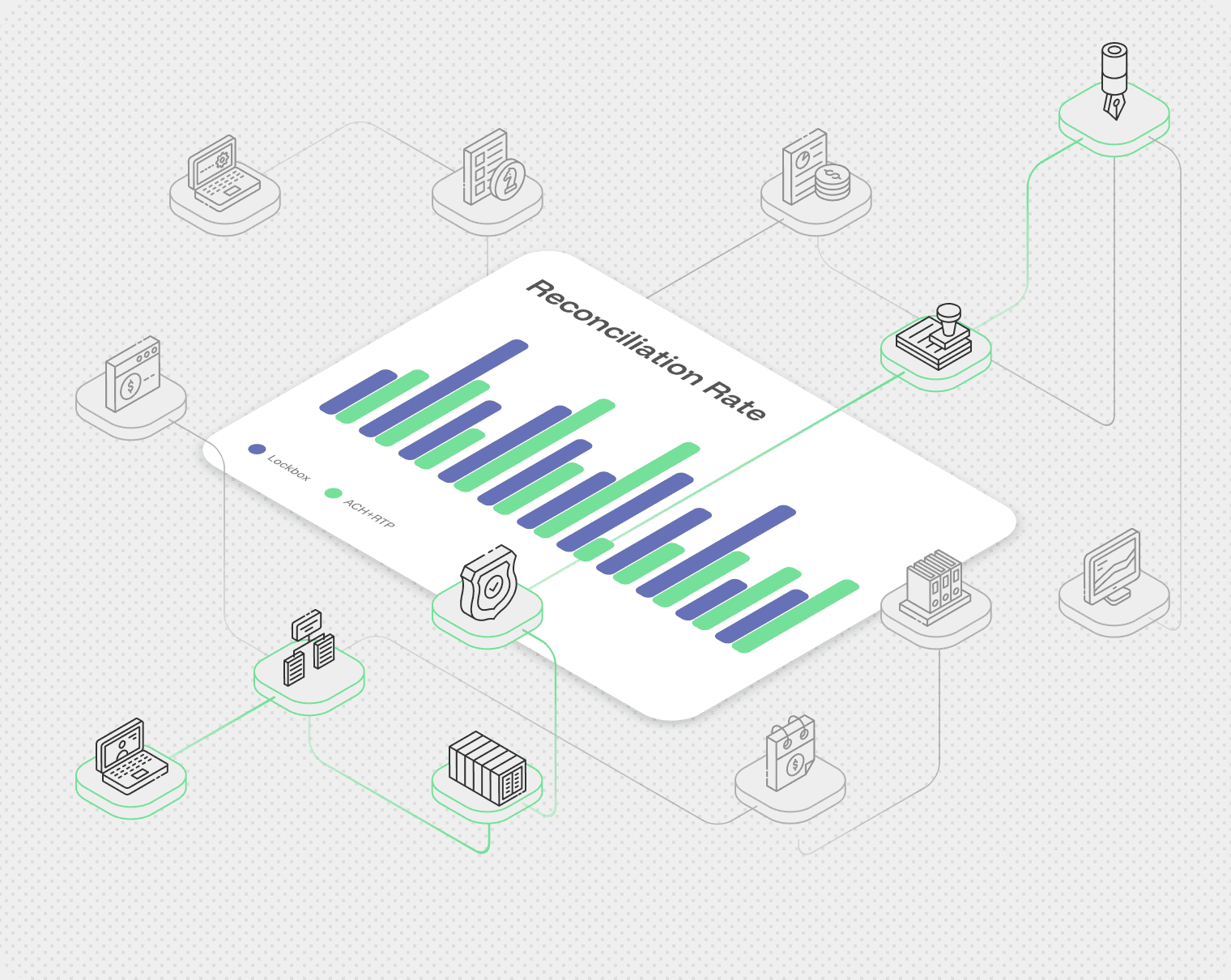
Invoice factoring software integrations on timveroOS: live lockbox vs ACH/RTP reconciliation-rate chart connected to credit bureaus, AML/KYC, ERP/EDI, GL, e-signature, and seller-portal endpoints as building blocks
11 FAQ

Invoice Factoring Software: Common Questions

Talk to Sales
  • What is invoice factoring software?

    Invoice factoring software runs the end-to-end lifecycle of receivables finance: seller onboarding, invoice submission and verification, assignment, funding, reserve management, lockbox reconciliation, dilution tracking, and collections. timveroOS is invoice factoring software built on a Building Platform, meaning the borrowing-base math, advance-rate logic, and multi-debtor entity model live as building blocks in your environment, not as a vendor-hosted SaaS configuration. Factoring teams use it to launch recourse, non-recourse, selective, and reverse factoring products from the same architectural primitives.

  • What software solutions are available for managing invoice factoring?

    Three categories cover most of the market. SaaS factoring platforms offer fast initial deployment but constrain the schema, the eligibility logic, and the deployment model to what the vendor exposes. Custom development gives full control at the cost of 12 to 18 month build timelines and ongoing maintenance. The Building Platform is the third path: timveroOS provides the receivables-finance building blocks (invoice-level ledger, borrowing-base math as policies-as-code, lockbox reconciliation, multi-debtor entity model) and your team composes the specific factoring variant on top, in weeks rather than months, in your own environment rather than the vendor’s.

  • How is timveroOS different from specialized factoring SaaS?

    Specialized factoring SaaS ships fast and handles vanilla recourse factoring well, but the eligibility logic, advance-rate math, and concentration rules live inside vendor configuration screens. timveroOS runs the same logic as policies-as-code on a Building Platform you deploy in your own environment. The trade is different: SaaS optimizes for time-to-first-product on a constrained schema; the Building Platform optimizes for architectural control without the custom-build timeline. Specialty lenders running selective programs, reverse factoring, or supply-chain variants typically reach the ceiling of SaaS configuration faster than they expect.

  • What factoring product types does timveroOS support?

    timveroOS supports recourse, non-recourse, selective (spot), reverse (supply-chain), and full-turn factoring as compositions of the same building blocks. Multi-debtor concentrations, agent and guarantor structures, syndications, and participations are modeled natively in the entity layer. Multi-currency and multi-jurisdiction operations are architectural features of the Building Platform, not localization packages. New product variants get composed by timveroAI from atoms (Risk, Documents, Products, Offers, Servicing) without rebuilding the schema.

  • Is invoice factoring the same as invoice financing on timveroOS?

    Invoice factoring and invoice financing solve adjacent problems with different mechanics. Factoring purchases receivables outright (with NOA, debtor notification, and direct collection); invoice financing lends against the receivable while the seller continues to collect. timveroOS supports both as compositions on the same Building Platform: the invoice-level ledger, eligibility logic, and dilution tracking are shared building blocks; the participant model, notification flows, and collection logic vary by product type. Lenders running both products on the same portfolio configure them as separate variants without duplicating the underlying entity model.

  • How long does it take to launch a factoring product on timveroOS?

    Initial factoring products go live in 2 to 6 weeks from signing. The Building Platform provides the receivables-finance building blocks, and timveroAI composes the specific variant (eligibility rules, advance rates, reserve logic, lockbox flows, dilution tracking) from your team’s natural-language requirements, with a human approval gate before any generation runs. Cartiga, working in an adjacent specialty (working capital secured by legal cases) shipped the origination MVP in three months with full end-to-end servicing in another two, at 10 to 12 percent of the budget of their prior platform.

  • Where is factoring data hosted? Can we deploy timveroOS in our own environment?

    timveroOS deploys in your own environment: self-hosted or in your private cloud. Borrowers, debtors, invoices, lockbox files, and reserve calculations stay inside the boundary you control; no vendor-hosted multi-tenancy, no shared compute, no data leaving your environment. The Building Platform is the deployment model that lets specialty finance units inside banks and standalone factoring NBFIs use the same software stack without compromising on data sovereignty, audit access, or regulator-facing transparency.

Launch Your Factoring Product on timveroOS

$5.5B+ in loans managed. 13+ countries. Factoring variants live in 2 to 6 weeks, in your environment. See it in a 30-minute demo.